When One Serves, the Whole Family Serves
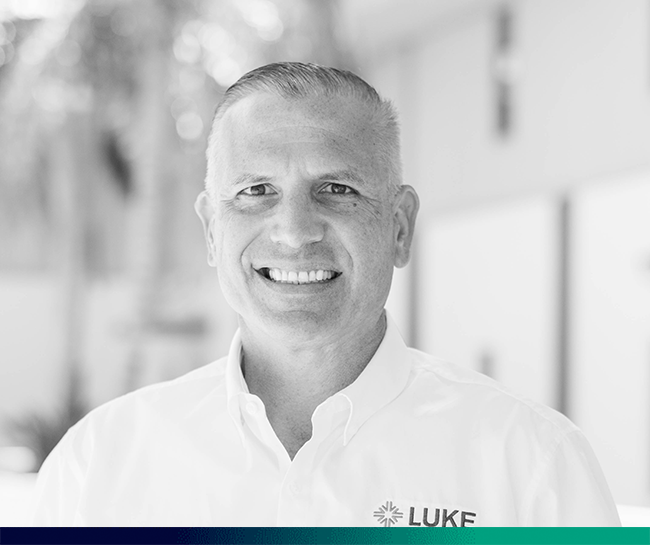
By Jill Solhjem and John Sanders, LUKE CEO
Jill Solhjem is a military spouse and mother of three sons who entered military service. Her husband, Chaplain Thomas Solhjem, served in the U.S. Army for nearly five decades. Through years of deployments, relocations, and raising a family, Jill brings a deeply personal perspective on the sacrifices military families make and the support they need to flourish.
During the Gulf War, Tom told me one evening that he might have to leave. Two days later, he was called to work, and I did not see him again for nine months. His unit was the first to deploy but within weeks others left too. Two close friends and I got together at Fort Bragg to talk about something no military family wants to face. All three of our husbands had deployed, and we needed to consider what we would do if they did not come home. We talked about what might happen, prayed together, and helped one another through an uncertainty none of us could resolve.
A decade later, our family faced another abrupt separation. Tom had recently returned from a year in Korea when the attacks of September 11, 2001, changed the course of American history. Within three weeks, he was deploying again with the 75th Ranger Regiment, this time to Afghanistan. Because of the mission, he could not tell me where he was going. Our four children were teenagers and young adults, and the family had to adjust once again to life without him at home. What began that fall would mean nearly a decade and a half of war and repeated demands on our family and many other military families.
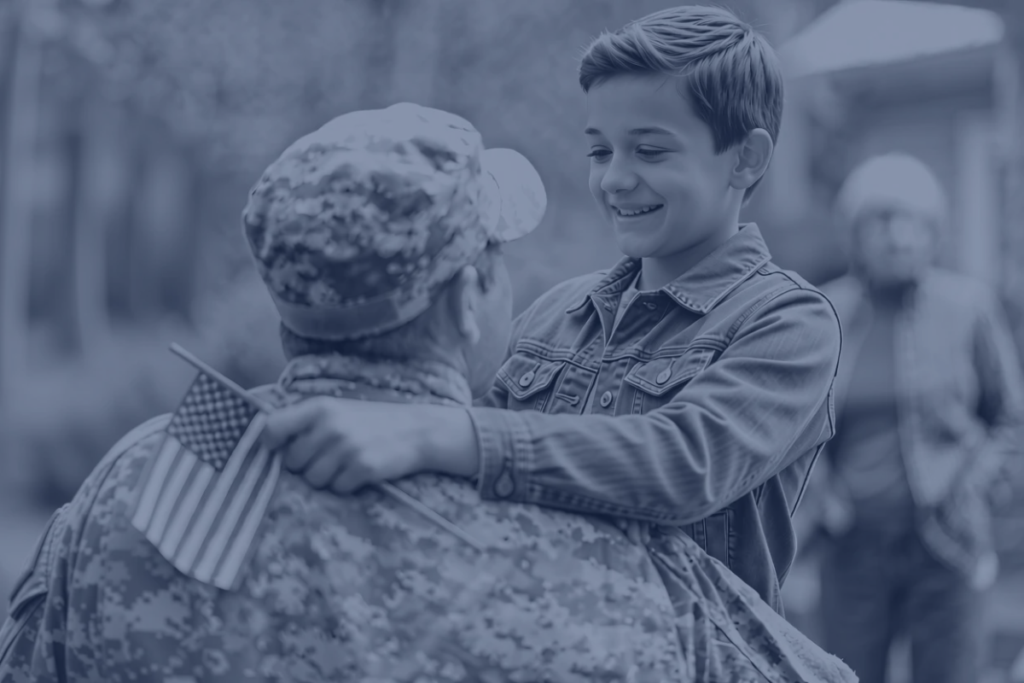
When a reporter interviewed us in May 2002, only months after Tom came home from Afghanistan, I described something that might sound ordinary to someone who has never experienced a deployment. Our family had one routine when Dad was there and another when he was gone. We had moved, on average, every two years, repeatedly learning new communities and building new relationships. Even a happy homecoming required adjustment. Tom acknowledged in that same interview that returning meant disrupting the routines the family had established in his absence. He was coming home to people who had continued living and making decisions while he was away.
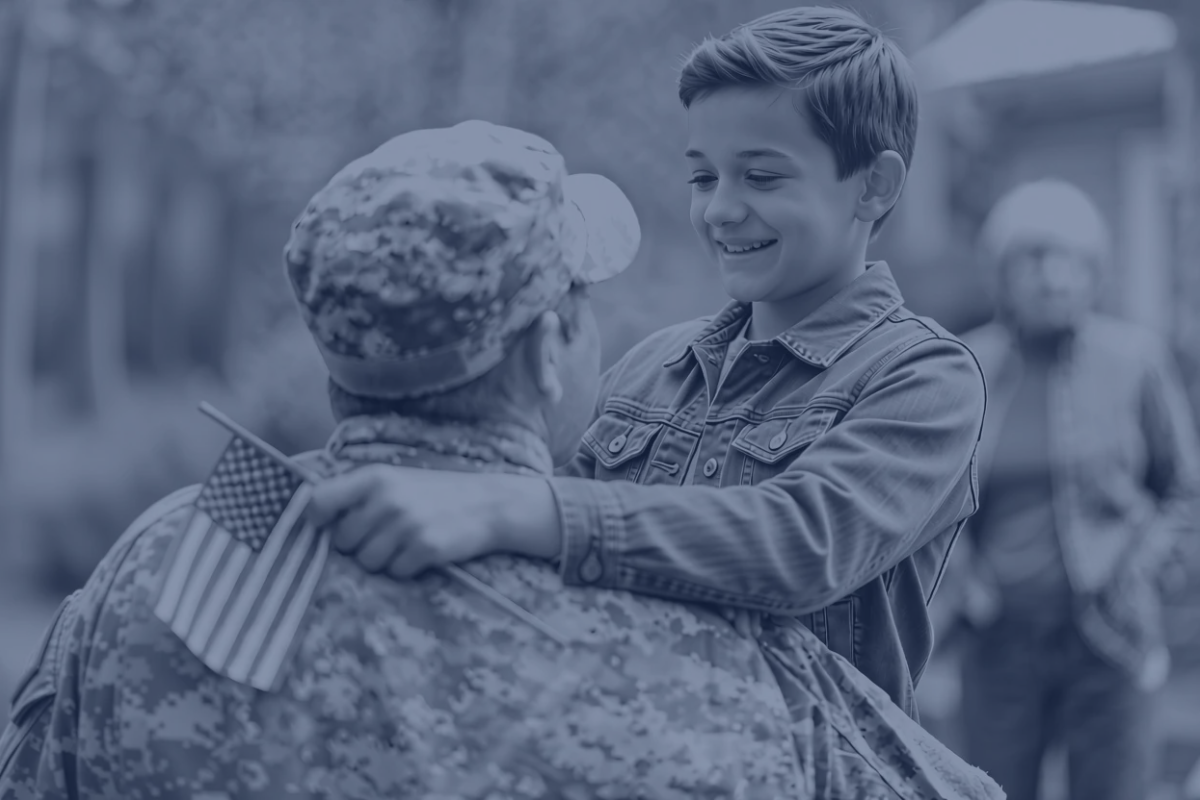
It is easy to measure military service in deployments, assignments, and years away from home. The time a family gives up is harder to measure. Children grow up while a parent is absent. A spouse makes ordinary decisions without the person with whom they expected to share them. The family learns how to function through the separation and then must learn how to live together again. The reunion matters enormously, but it does not return the days that have passed.
The experience of military families belongs first to the people who have lived it. As we consider those experiences alongside the broader work of human flourishing, a question deserves more attention. When we speak about supporting military families, are we concerned only with their ability to support the warfighter, or with whether spouses and children are flourishing in their own right? That is where the conversation needs to go, especially when moral injury affects relationships at home.
Too often, we praise military families for being strong, adaptable, and resilient…and many have shown extraordinary strength. Yet praise often becomes an expectation without the support families need. A spouse, or even a teenage child, may feel pressure to keep everything together because people are counting on them. It can be especially difficult for children who must adjust to another move while leaving behind their school and friends.
As John reflects, “I have made this mistake myself. I have honored the courage of military families while assuming that their strength somehow made them immune to loneliness, worry, or the need for care. At times, I assumed they must be doing well simply because the service member is safe and the mission is going well.”
For Jill, the friendships at Fort Bragg illustrate something essential. Those friends could not change the orders or remove the danger. What they did, though, was create a community where we could have honest conversations, pray, and know we did not have to carry everything alone. Years later, I spoke with newer Army spouses about the importance of building those relationships before hardship arrived. That is the kind of support we should want for every military family, not simply because it produces a stronger force, but because every person in that family deserves to be cared for.
The story continued into another generation when three of my sons entered military service. In a 2010 Army article, two spoke about separation from their own families. One put it simply, saying that the hardest part of serving was being away from family. As a mother, I had once waited for Tom to come home. Now military service was shaping my sons’ lives and the lives of those who loved them. The cost of service can reach across generations, along with the commitment and love that help families face it.
November gives us Veterans Day and Military Family Month, an opportunity to express appreciation that should continue long after the observances end. We believe that appreciation ought to include more than thanking families for what they give. It should include asking what they need, respecting the different ways they experience service, and making room for them to receive support without having to prove how much they can endure. They have earned that from us.
To the military spouses, children, and families reading this, we hope you know that you can be proud of your loved one’s service and still acknowledge the hardship of being apart. The celebrations missed and the ordinary days you cannot get back matter. Jill remembers how much it meant to have friends she could talk and pray with when none of them knew whether their husbands would come home. Our hope is that you have people who will listen when you need to talk and be there when you need help. Your sacrifices deserve this Nation’s gratitude, and your needs deserve our attention, too. You matter because of who you are, not simply because of what you do for someone serving our country. God bless you all!