Prepared Resilience Begins Before Adversity
By John Sanders, LUKE CEO
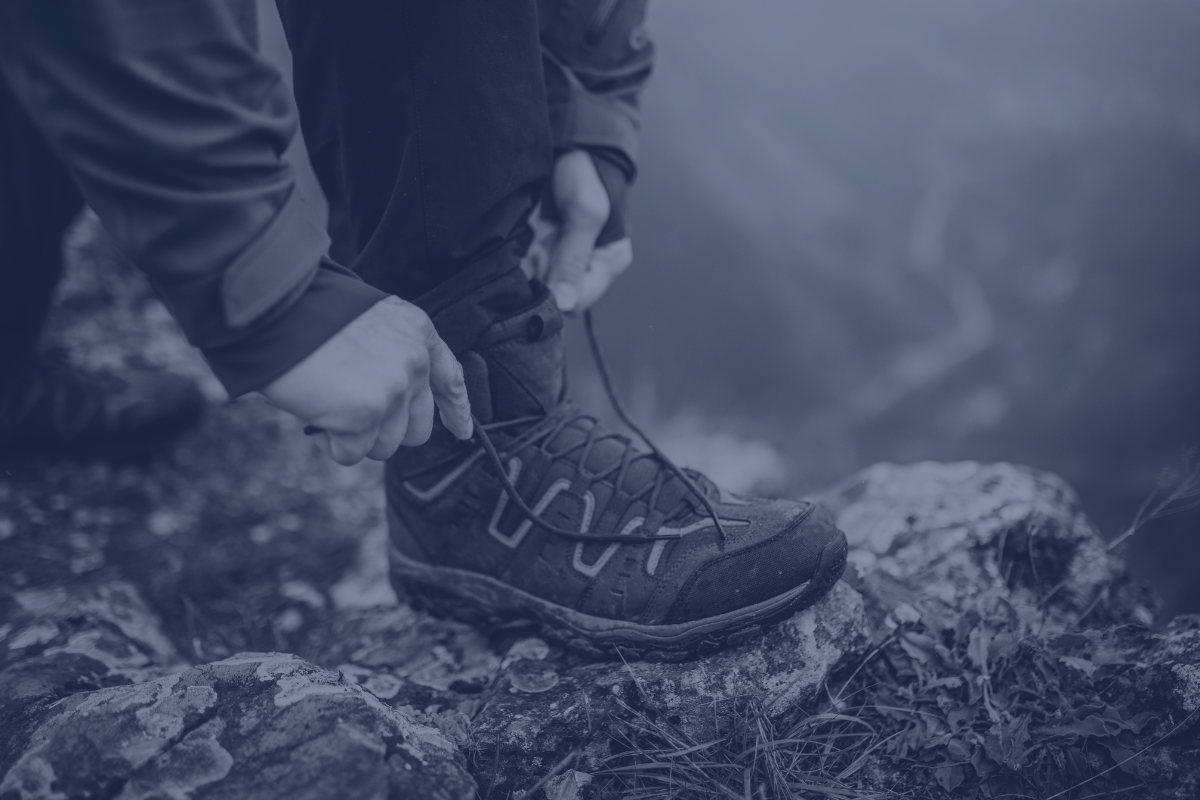
Most preparation happens on an ordinary day, when nothing appears to be wrong. We replace the batteries in a flashlight, place copies of important documents somewhere safe, and decide how our family will reconnect if phones fail. National Preparedness Month, observed each September, asks us to take those steps before an emergency. The 2026 theme, “Americans Stand Ready,” emphasizes understanding local risks, planning, building a kit, and knowing where to get reliable information if normal communications fail.¹ These actions matter because an emergency leaves little time for planning and fewer options.
The same is true of resilience in our own lives. We usually recognize it after an illness, loss, or crisis, even though much of what helps us get through that difficult time is built long before it arrives. I think of this as prepared resilience. Preparing ourselves for difficult times cannot prevent pain and heartache, and none of us know exactly how we will respond when hardship comes.
University of Minnesota psychologist Ann Masten famously described resilience as “ordinary magic.” Her research on children facing serious hardship concluded that resilience often grows from ordinary strengths and supports, including caring relationships, the ability to think through problems and manage emotions, a healthy view of oneself, and the desire to learn and take part in life.² What makes that description important is that resilience is not a special quality some people simply have and others do not. It grows from ordinary parts of life we can cultivate before they are tested, which means our ability to handle adversity can grow or weaken as our lives change.
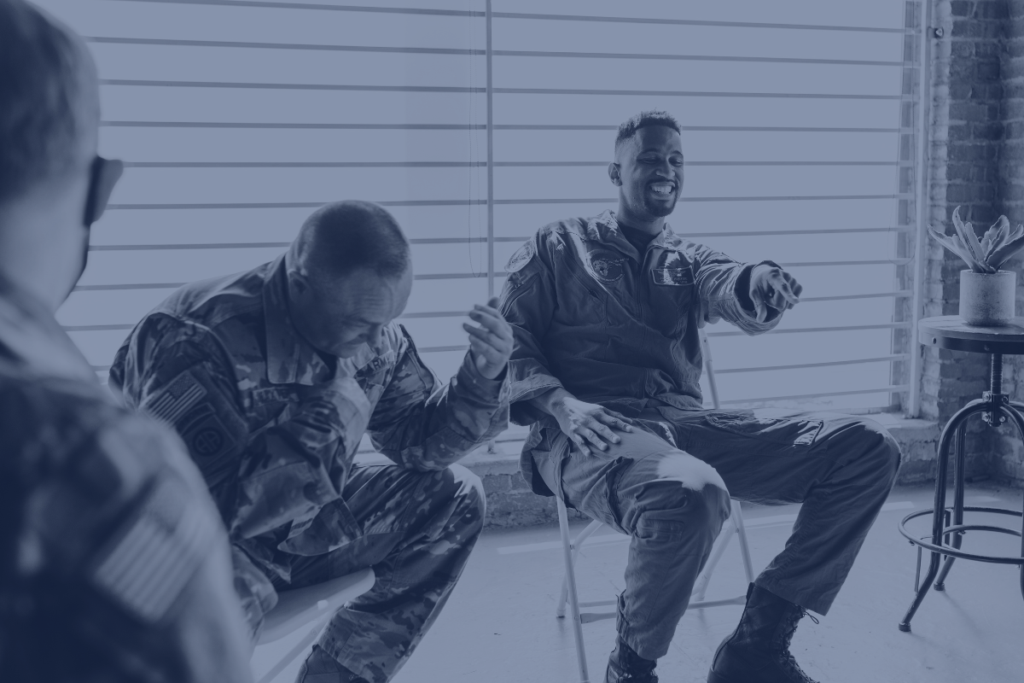
Relationships may be the clearest example because we often admire people who keep going without asking anyone for help, which can cause us to confuse resilience with self-sufficiency. A review published in Science found that our relationships are closely tied to both physical and mental health.³ Michael Ungar’s work emphasizes that our ability to get through serious stress depends partly on what he calls the “social and physical ecologies” around us, meaning the relationships, resources, institutions, and everyday surroundings that shape our daily lives.⁴ For example, we can own every item on a preparedness checklist and still be deeply unprepared if no one is there to notice when something is wrong, speak honestly with us, share the burden, or help us find a way forward. The trust we need in those difficult moments is usually built beforehand through ordinary choices to listen, keep our word, repair damaged relationships, offer help, and receive it without shame.
Purpose gives us another source of strength because hardships can make the problems in front of us feel like the whole story. A 2024 analysis of data from more than 108,000 people found that those with a greater sense of purpose generally reported less stress across a wide range of ages and backgrounds, although the study could not prove that purpose caused the difference.⁵ When we know why our lives matter beyond the present moment, we have a reason to take the next responsible step even when we cannot see where it will lead. Character then comes into play because it helps us follow through under pressure, when we tend to draw on habits formed when the stakes were lower. The promises we keep, the difficult conversations we face, the temptations we refuse, and the people we serve without expecting recognition all shape how we are likely to respond when the pressure is greater.
Prepared resilience also includes caring for our physical and mental health before strain becomes a crisis. Neuroscientist Bruce McEwen used the term “allostatic load” to describe the wear that repeated stress can place on the brain and body, even though the stress response itself protects us in the short term. His work points to regular physical activity and social support as ways to reduce that burden.⁶ For all of us, the practical lesson is to pay attention to our bodies, seek care when something is wrong, make room for recovery, and take emotional strain seriously before we find ourselves running on empty.
What is true for individuals is also true for communities. Fran Norris and her colleagues explain that community resilience grows from several connected strengths, including financial resources, strong relationships, reliable communication, and the ability to act together.⁷ No single strength can carry the full burden though. Money can create choices without replacing people we trust, and a caring community can offer support without replacing professional treatment when it is needed. Character can guide our response, while unhealthy systems can steadily wear down even the strongest people. I believe this reveals something fundamental about resilience, that it is built through what we do for ourselves and what we are willing to do for one another.
National Preparedness Month gives us an opportunity to look at two kinds of readiness. Along with checking smoke alarms and updating emergency contacts, we can look honestly at how prepared we are to flourish as human beings by asking ourselves a few questions. Who knows me well enough to notice when something changes? What gives my life meaning beyond what I am facing today? Which part of my health needs attention? Where do I need to repair trust, ask for help, face a difficult truth, or practice courage before the cost rises? Hardship will always bring things we cannot control, and even resilient people can experience pain and need a great deal of help. Although resilience does not make us invulnerable, it is strengthened by the relationships, health, purpose, and character that help us face hardship. We prepare our homes because storms come, and our lives deserve the same care.
Endnotes
- Federal Emergency Management Agency. “National Preparedness Month: Americans Stand Ready.” Ready.gov, 2026. https://www.ready.gov/stand-ready
- Masten, A. S. “Ordinary Magic: Resilience Processes in Development.” American Psychologist 56, no. 3 (2001): 227–238. https://doi.org/10.1037/0003-066X.56.3.227
- House, J. S., K. R. Landis, and D. Umberson. “Social Relationships and Health.” Science 241, no. 4865 (1988): 540–545. https://doi.org/10.1126/science.3399889
- Ungar, M. “The Social Ecology of Resilience: Addressing Contextual and Cultural Ambiguity of a Nascent Construct.” American Journal of Orthopsychiatry 81, no. 1 (2011): 1–17. https://doi.org/10.1111/j.1939-0025.2010.01067.x
- Sutin, A. R., M. Luchetti, Y. Stephan, A. A. Sesker, and A. Terracciano. “Purpose in Life and Stress: An Individual-Participant Meta-Analysis of 16 Samples.” Journal of Affective Disorders 345 (2024): 378–385. https://doi.org/10.1016/j.jad.2023.10.149
- McEwen, B. S. “Physiology and Neurobiology of Stress and Adaptation: Central Role of the Brain.” Physiological Reviews 87, no. 3 (2007): 873–904. https://doi.org/10.1152/physrev.00041.2006
- Norris, F. H., S. P. Stevens, B. Pfefferbaum, K. F. Wyche, and R. L. Pfefferbaum. “Community Resilience as a Metaphor, Theory, Set of Capacities, and Strategy for Disaster Readiness.” American Journal of Community Psychology 41, nos. 1–2 (2008): 127–150. https://doi.org/10.1007/s10464-007-9156-6