The Army Chaplain Corps at 251: A Legacy of Presence, A Future of Hope
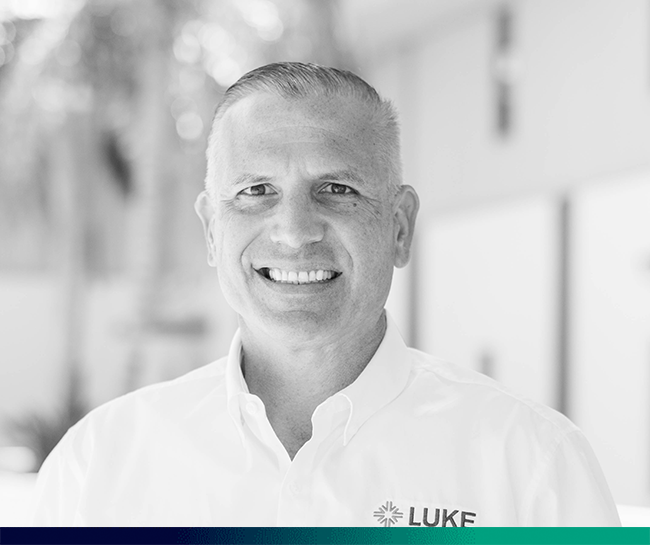
By Chaplain Thomas L. Solhjem, Major General USA (Ret.), Former Chief of Chaplains, U.S. Army
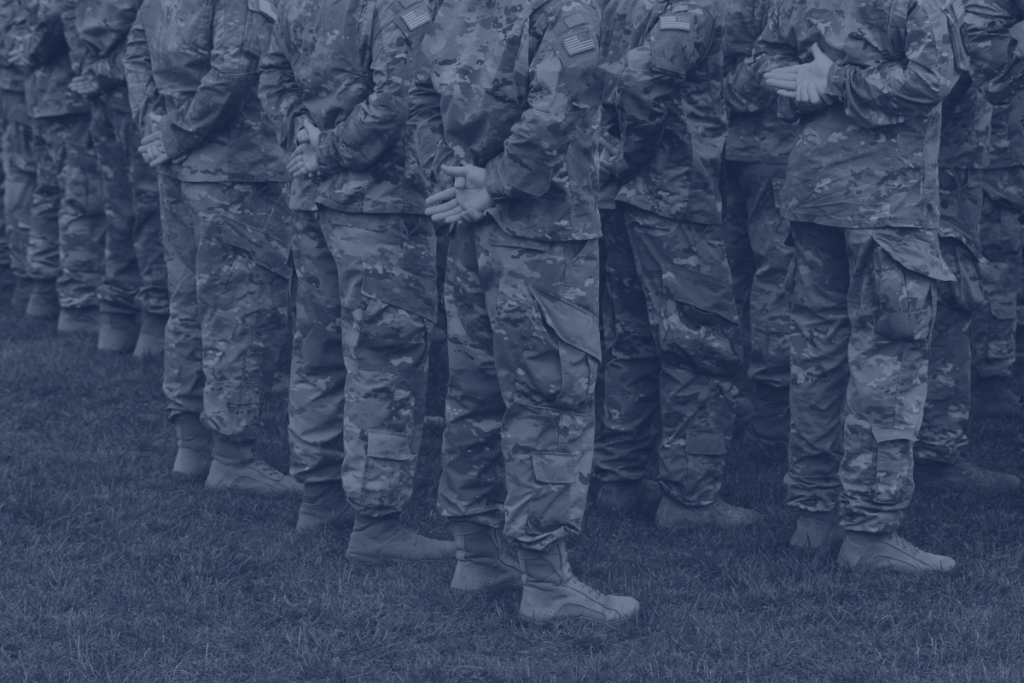
Every year on July 29, I pause to reflect on one of the Army’s oldest and most remarkable institutions. On that day in 1775, the Continental Congress authorized chaplains to serve alongside the fledgling Continental Army. That decision came more than a year before the Declaration of Independence was signed, making the Army Chaplain Corps older than the nation itself. It was a profound recognition that those entrusted to defend freedom would need more than weapons, strategy, and supplies. They would also need hope, purpose, and trusted companions for the journey ahead.
Two hundred fifty-one years later, that truth has not changed.
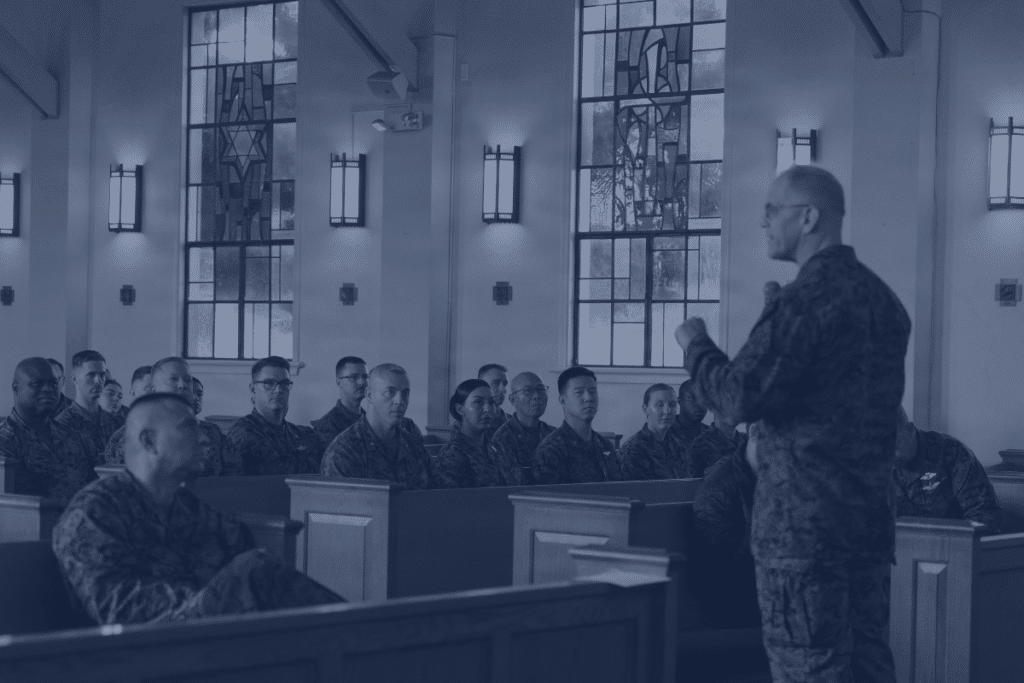
History often remembers the generals who led armies or the battles that changed the course of a war. Yet, woven quietly through every chapter of our nation’s military story are chaplains who walked beside Soldiers in moments few others witnessed. They prayed before battles, comforted the grieving after them, wrote letters to families, celebrated births, officiated weddings, stood at hospital bedsides, and honored the fallen. They have shared tents, foxholes, aircraft, ships, and field hospitals. Their ministry has never been defined by a building, but by a ministry of presence.
That is what makes the Chaplain Corps so unique.
The calling of a military chaplain has always been about more than occupying a position, it’s about earning trust and bolstering faith. For more than two and a half centuries, Soldiers have sought out chaplains because they shared their hardships, listened without judgment, showed compassion, offered hope, inspired faith, and brought spiritual healing for their troubled souls and spirits. In a profession where strength is admired and vulnerability is often concealed, chaplains create rare spaces where people can speak honestly about fear, grief, loss, faith, doubt, guilt, family struggles, or simply the weight of carrying responsibility for others.
As I look back on my own years serving Soldiers and their families around the world, I am reminded that some of the most meaningful ministry happened far from a chapel. It happened during long walks after difficult missions. It happened over coffee late at night. It happened sitting quietly with someone who had experienced tremendous loss and simply needed another human being willing to stay. Sometimes the greatest gift a chaplain offers is not advice. It is presence.
Today’s military operates in a world that is more technologically advanced than any previous generation could have imagined. Our formations are equipped with extraordinary capabilities, and our service members face increasingly complex missions. Yet despite all the advances in technology, one reality remains constant. Human beings still wrestle with questions of meaning, identity, purpose, suffering, forgiveness, faith and hope. No amount of technology eliminates those questions. In many ways, they become even more important.
One of the challenges I believe deserves continued attention is helping our warfighters recognize and address moral injury. Unlike physical wounds, moral injuries are often invisible. They emerge when experiences violate deeply held beliefs about right and wrong or when individuals carry burdens of guilt, shame, betrayal, or regret that cannot simply be left behind after deployment. These are not signs of weakness. They are evidence that a person’s conscience is still alive. Too often, people try to carry these burdens alone.
The Army has made significant progress in recognizing the importance of behavioral health and psychological resilience, and that progress should continue. But moral and spiritual struggles deserve equal attention. Chaplains occupy a unique place within the care team because they are equipped to engage questions that exist beyond diagnosis or treatment. They help people wrestle with meaning. They remind them that they are more than the worst day of their lives. They help reconnect individuals with hope, community, faith, values, and purpose. That work strengthens readiness because healthy people build healthy teams. It also strengthens families, who often bear the hidden weight of military service alongside those who wear the uniform.
As our understanding of human flourishing continues to grow, I believe the role of chaplains will become even more valuable. Flourishing is not simply the absence of crisis. It is the presence of healthy relationships, meaningful purpose, resilient character, spiritual well-being, and communities where people know they belong. Chaplains have been cultivating those conditions for generations.
Long before “holistic health” became common language, chaplains understood that people cannot be divided neatly into physical, mental, and spiritual compartments. Every part of life influences the others. Caring for the whole person has always been central to military ministry.
Looking ahead, I believe the calling of the chaplain is becoming more, not less, important.
Our military does not exist in isolation. The young men and women who raise their right hand to serve come from our neighborhoods, our schools, our faith communities, and our families. They carry into uniform both the strengths and the struggles of the society that shaped them.
Today, I believe we are witnessing a broader spiritual crisis across our nation. We see increasing loneliness despite greater technological connectivity. We see rising rates of depression, anxiety, isolation, loss of purpose, and fractured relationships. We see people searching for meaning but unsure where to find it. These realities do not stop at the gates of a military installation. They follow our service members throughout their careers and often become magnified by the extraordinary demands of military life.
This is one reason I remain so passionate about helping people flourish. Human flourishing is not merely about performance or resilience. It is about helping people discover purpose, strengthen character, build healthy relationships, and find both faith and hope even in life’s most difficult seasons. Chaplains have always been uniquely positioned to walk with people through those conversations.
That conviction has also led me into my next chapter of service. Through the United States Family Chaplaincy Network (USFCN), I have the privilege of helping prepare and credential chaplains to serve not only in traditional ministry settings, but also in schools, communities, and workplaces. My hope is to see well-trained, ethically grounded, and spiritually equipped chaplains to provide trusted guidance wherever people are facing questions of purpose, identity, suffering, or hope. Professional preparation, accountability, and ongoing development are essential because the responsibility of caring for another person’s spiritual well-being is a sacred trust.
The Army Chaplain Corps has spent more than 250 years proving that people are stronger when they know they are not alone. That lesson is just as relevant beyond the military as it is within it. Our nation needs compassionate leaders who are willing to listen before they speak, to walk alongside rather than simply direct, and to help others navigate both visible challenges and invisible wounds.
As we celebrate another anniversary of the Army Chaplain Corps, I find myself filled with gratitude for those who came before us and optimism for those who will follow. The mission has never been simply to minister in times of war. It has always been to care for the human spirit.
The uniforms will change. The challenges will evolve. New generations will face questions we cannot yet imagine. But as long as people seek meaning, wrestle with moral questions, and long for hope, the ministry of presence will remain indispensable.
That has been the heart of the Chaplain Corps since 1775. And I believe our nation needs it now more than ever.