The Enduring Role of Chaplains in Readiness, Resilience, and Human Flourishing
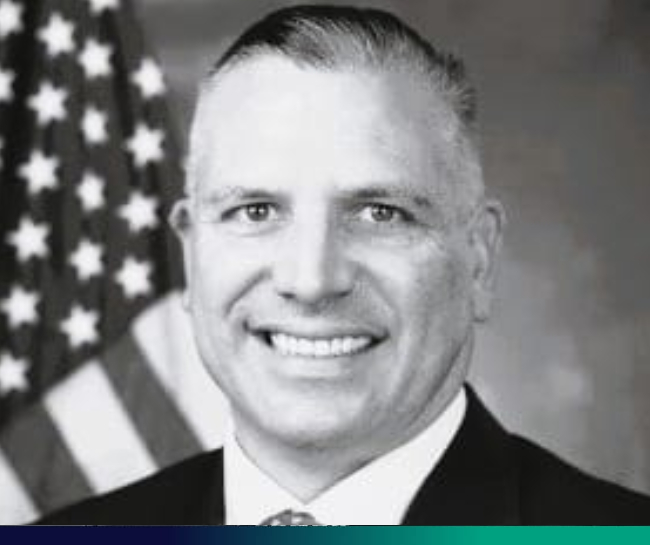
By John Sanders, LUKE CEO
When George Washington established the Chaplain Corps on July 29, 1775, he did so with clear intent. He understood that discipline, cohesion, and endurance are sustained not only by training and command, but by the inner strength of warfighters asked to carry extraordinary burdens together. From the very beginning of this country, leaders treated spiritual care as essential to readiness. That truth endures to this day.
Across generations, chaplains have stood on battlefields, aboard ships, in hospitals, and at bedsides, often in moments when answers are scarce and the weight of service feels most personal. Their presence has always centered on availability, trust, and credibility earned through shared hardship. Chaplains create space for meaning, reflection, and hope. In doing so, they strengthen resilience, reinforce unit cohesion, and help warfighters endure the moral and emotional strain that accompanies service.
The mission of the Chaplain Corps has never been confined to a single faith tradition or belief system. From the very beginning, it has been rooted in care for the whole person, body, mind, and spirit. This holistic approach is not a modern innovation or a response to recent challenges. It is the historical foundation of the Corps itself and a central reason for its enduring relevance.
Recently, the Department of War reinforced the importance of a strong, mission aligned Chaplain Corps and its role in readiness and resilience. This clarity reflects recognition of a long-standing reality. A force asked to operate under sustained pressure requires more than physical and clinical strength. It requires moral and spiritual strength that sustains warfighters and their families through the demands of service.
Chaplains strengthen readiness by caring for the realities that shape endurance over time. They help warfighters process grief, navigate moral injury, and carry family strain with support rather than silence. They serve early and consistently, and they integrate naturally with broader care efforts so that hardship receives attention before it becomes crisis.
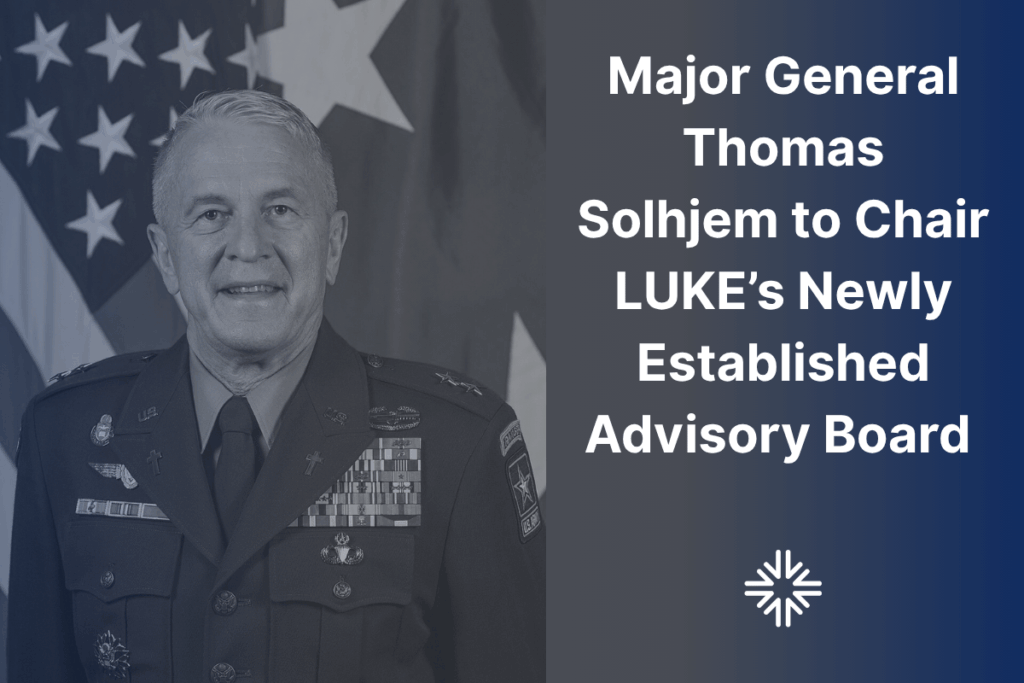
Chaplain Thomas Solhjem (MG) USA Retired, chair of LUKE’s Advisory Board and former Chief of Chaplains of the United States Army, has spoken from decades of experience alongside warfighters about what this responsibility demands. As he has said, “Over decades of service, I learned that you cannot sustain readiness by focusing on the mission alone. Warfighters carry moral weight, personal loss, and family strain alongside their operational responsibilities. When chaplains care for the whole person, body, mind, and spirit, we strengthen not only the individual, but the unit and the mission itself. Spiritual readiness is not separate from mission readiness. It is one of the foundations that allows warfighters to endure, to lead others well, and to continue serving with strength and integrity.”
This understanding sits at the heart of human flourishing. Care works best as a continuum in which chaplains, clinicians, and coaches each serve distinct roles while reinforcing one another. Chaplains often form the first bond of trust. Clinicians bring specialized expertise. Coaches and community-based support extend care into daily life. Together, these relationships sustain resilience not only in moments of crisis, but across a lifetime of service.
Supporting warfighters, veterans, first responders, and their families reflects a responsibility shaped by history and affirmed by experience. True readiness emerges when leaders honor the whole person and deliver care through relationships grounded in trust, continuity, and presence. For generations, the Chaplain Corps has carried this calling, standing faithfully alongside those who serve in moments of resolve and in moments of need. Strengthening that mission sustains the wellbeing of warfighters and their families and preserves the readiness of the force they uphold.