Mission, Meaning, and the Moral Imperative of Flourishing
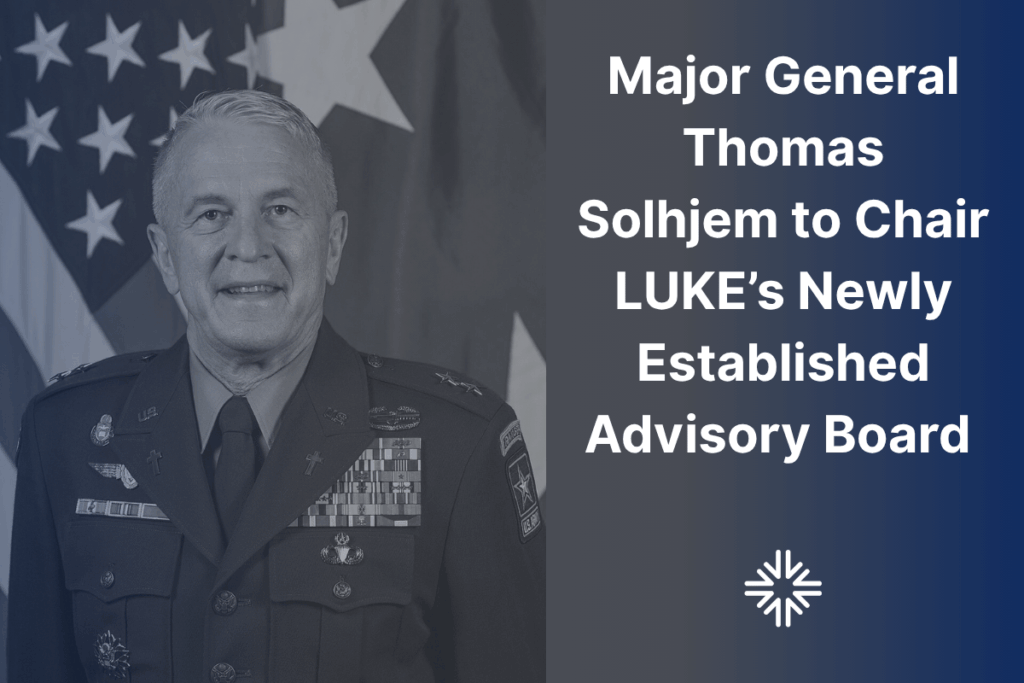
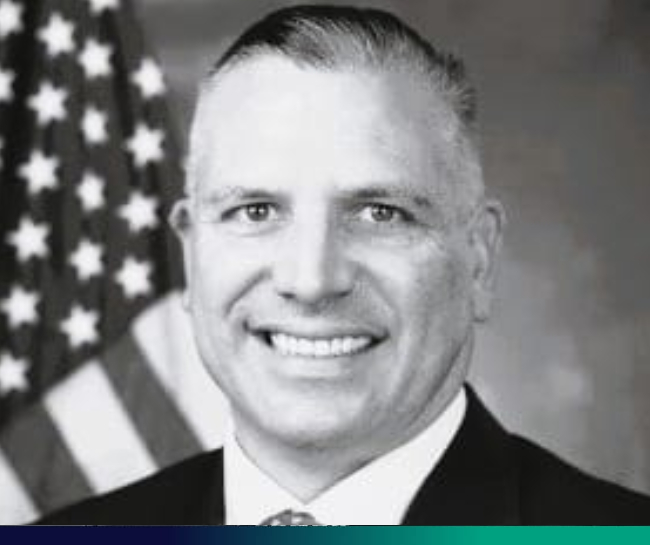
By Chaplain Tom Solhjem, Major General USA Ret./Chair, LUKE Advisory Board
If anyone should feel a deep sense of mission, it’s those in the military. The word itself —mission — is ingrained in military culture, whose sole purpose is to protect and defend an entire nation. Yet, beneath the surface of duty, discipline, and sacrifice; I noticed something troubling. For decades, the Army emphasized the importance of being “fit and ready”— physically, mentally, and spiritually. It was once assumed that soldiers arrived with an innate sense of spiritual grounding. But emerging research suggests that’s no longer the case. This not only impacts the military and veterans but law enforcement and first responders who face the challenges of serving to enforce the law and keep us safe.
Like their civilian counterparts, the Army witnessed rising rates of depression, diseases of despair, substance abuse, suicide, and other harmful behaviors, signaling that something essential was eroding. Despite their commitment to service, soldiers across ranks were battling an invisible enemy: a crisis of life meaning, sense of purpose, and relational connection. Young men and women who had dedicated themselves to a cause greater than their own were struggling to articulate what that cause truly meant to them. Many no longer had the language — or the spiritual foundation — to connect their sacrifices to a deeper purpose. What I ultimately realized was this: like the nation, the Army wasn’t simply facing a mental health crisis — it was facing an historically unparalleled spiritual crisis. What is often misdiagnosed as a mental health crisis is in fact: “a deep crisis of the spirit and soul.”
According to the American Survey Center, more than one-third of Generation Z identify as religious “nones.” Religion and spirituality have historically played a human flourishing and protective role in helping people develop a higher sense of meaning and purpose in their lives. Just as physical fitness is essential for combat readiness, spiritual fitness is essential for enduring the rigors of military life. And so, five years ago, I introduced the Army leadership to a new “faith/belief plus science” approach to “spiritual readiness,” designed to strengthen a soldier’s inner foundation, their “spiritual core.”
Dr. Lisa Miller is the bestselling author of the “Spiritual Child” and “The Awakened Brain,” and professor in the Director of the Clinical Psychology Program at Teachers College, Columbia University, Spirituality Mind Body Institute. Miller’s innovative research, published in more than two hundred peer-reviewed articles in leading journals, served as the foundation of the “Spiritual Readiness Pillar” for the Army’s five-pronged work in the Holistic Health and Fitness (H2F) program. In her research, Dr Miller found that young adults with a strong sense of personal spirituality are 80% less likely to become addicted to drugs and alcohol, 60% less likely to experience major depression, and 70% less likely to take unnecessary risks. These healthy outcomes, increase exponentially to 82% when accompanied by a personal faith and belief that is shared in community with others. Young adults who lack any sense of spirituality or meaningful transcendent are at much higher risk for negative health and life outcomes.
Dr. Harold Koenig’s, a psychiatrist on the faculty of Duke University, research also influenced and shaped the Army’s H2F. Koenig focused his years of research and clinical practice on religion, spirituality, and health. Koenig has published over 280 scientific articles in peer-reviewed journals, scholarly professional journal articles, and 60 chapters in professional books. His research concluded, there is strong evidence that religious involvement is correlated with better mental health in the areas of depression, substance abuse, suicide, stress-related disorders and dementia.
A strong spiritual core is defined by having “a sense of transcendent connection that gives meaning and purpose to a person’s life.” One of the biggest barriers to meaningful conversations about purpose is that many people lack the language to talk about it. Sixty years ago, seeking to be more inclusive and secular, threw out the baby (religion) with the bathwater (spiritual life) in the public square. What we have today is a religiously illiterate and spiritually non-conversant culture. It is seen in the despair displayed by many of our children, youth, and emerging adults raised in households without spiritual leadership or engagement on a daily or regular basis. Schools and institutions devoid of religious and spiritual life that united and guided us for 200 years through times of crisis and challenge. Humans were spiritually flourishing even in times of adversity.
For our warfighters, we have learned that mission readiness must include spiritual readiness. Without it, meaning weakens and moral grounding erodes, limiting the ability to truly flourish. Spiritual readiness helps anchor service in purpose and moral clarity, enabling those who serve to endure sacrifice without losing sight of why it matters.
We must be vigilant in restoring, integrating, and promoting a healthy, flourishing spiritual life, not only to address the crisis of the soul and spirit among our warfighters, but also to confront a deeper crisis unfolding across American society and global culture.