Healthcare Careers with Purpose In North Carolina
Bring your skills to a community shaped by service. At Fort Bragg, healthcare professionals help support the health, recovery, and readiness of service members and the well-being of military families.
Located just west of Fayetteville, North Carolina, Fort Bragg offers the opportunity to pursue meaningful work while exploring life in the Sandhills region. Discover healthcare opportunities with LUKE and find a role that connects your experience with your passion for serving those who serve.
About Womack Army Medical Center
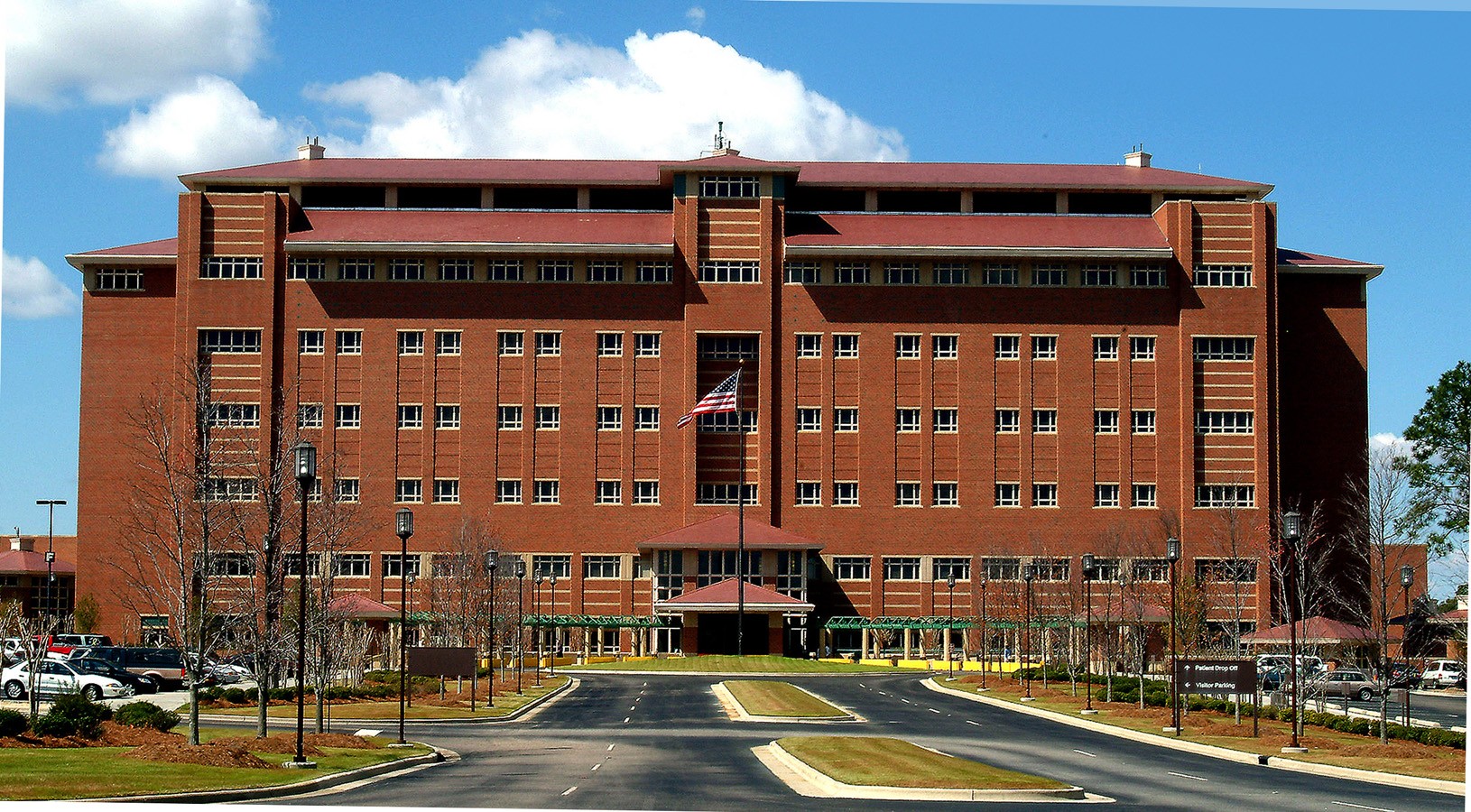
Womack Army Medical Center supports the Fort Bragg community through healthcare and the training of medical, dental, nursing, behavioral health, and allied health professionals. Its focus on patient safety and military readiness connects daily clinical work with a larger mission.
For clinicians who value service, this work offers a practical way to contribute: helping a patient regain mobility, supporting a healthy workforce, or providing care that helps a family navigate everyday life.
Life Beyond Work in the Sandhills
Trails and time outdoors
Explore the Cape Fear River Trail or spend an afternoon at Cape Fear Botanical Garden. Nearby Carvers Creek State Park offers hiking and opportunities to enjoy the Sandhills landscape, with trails at both its Long Valley Farm and Sandhills access areas.
History and community
The Airborne and Special Operations Museum in downtown Fayetteville offers a way to learn more about the service traditions connected to the area. Use the local visitor guide to explore museums, family activities, and community events as you get to know your new home.
For weekend plans, start with Distinctly Fayetteville and Carvers Creek State Park.
Seasons in the Sandhills
Plan for hot summer days and cooler winter weather. Fayetteville’s National Weather Service climate normals put typical mid-July daytime highs around 91°F. Think about the season when planning your move, commute, and outdoor activities.
See the National Weather Service Fayetteville climate normals.
Tips for Living in Fayetteville
Find a community that fits your routine
Fayetteville and the surrounding communities offer several starting points for your housing search. Depending on your priorities, you might explore Fayetteville, Spring Lake, Raeford, Southern Pines, or Aberdeen.
Start with your assigned worksite, then compare neighborhoods against your commute, household needs, and budget. Fort Bragg is a large installation, and nearby on a map may not mean a short trip to your clinic. Traffic and the gate you use can affect your daily drive.
Housing and everyday costs
Compare current rental and home listings for the type of property you need. Build a budget that includes utilities, transportation, insurance, deposits, and any childcare expenses, alongside your expected housing payment.
Before signing a lease, confirm your work location and test the route during the hours you expect to travel. If you are considering on-post housing, contact the housing provider directly about eligibility and availability.
Explore the official Fort Bragg area overview and housing resources.
Schools and family planning
Families living off post may be served by Cumberland, Harnett, Hoke, or Moore County schools, depending on their address. Confirm the assigned school, enrollment requirements, and transportation arrangements with the district before choosing a home.
Fort Bragg also has DoDEA schools for eligible families. Employment on the installation does not by itself establish school eligibility; check the applicable enrollment requirements.
For childcare, start inquiries early and compare provider hours with your position’s schedule. Confirm eligibility and availability directly for any installation program you are considering.
The official Fort Bragg education guide is a useful starting point.
Opportunities for spouses and partners
A move works best when everyone has a path forward. Spouses and partners can use NCWorks Career Centers for job search assistance, career planning, and information about training opportunities.
If a household member works in a licensed profession, check North Carolina’s requirements with the relevant licensing board before the move.